


Besan Laddoos safety rules are set to change on December 1, as FSSAI introduces new limits for Lead and Cadmium. This move aims to enhance consumer safety and product quality.
Overview of New Safety Rules
The Food Safety and Standards Authority of India (FSSAI) has announced new safety rules regarding Besan Laddoos, effective from December 1. These regulations aim to establish stricter limits for harmful substances, specifically lead and cadmium, present in gram flour used for making these popular sweets.
According to the FSSAI, the introduction of these limits is crucial for ensuring consumer safety and maintaining food quality. The new guidelines mandate:
- Testing: Regular checks for lead and cadmium levels in gram flour.
- Compliance: Manufacturers must adhere to the specified limits to ensure product safety.
- Monitoring: Enhanced surveillance of market products to prevent unsafe items from reaching consumers.
These Besan Laddoos safety rules aim to protect public health while maintaining the integrity of traditional Indian sweets.
Impact on Besan Laddoos Production
The introduction of new safety rules by the FSSAI is set to significantly impact the production of Besan Laddoos. With the new limits on lead and cadmium coming into effect on December 1, manufacturers must adapt to ensure compliance. These changes aim to enhance food safety and protect consumer health.
However, the implications for producers are considerable:
- Increased Testing: Manufacturers will need to implement more rigorous testing protocols to meet the new standards.
- Cost Implications: Compliance may lead to higher production costs, which could affect pricing.
- Supply Chain Adjustments: Sourcing raw materials with lower contaminant levels will be crucial.
As the industry navigates these challenges, adherence to the new Besan Laddoos safety rules will be vital for maintaining quality and ensuring consumer trust.
Consumer Reactions to New Regulations
As the new regulations regarding besan laddoos come into effect, consumer reactions have been mixed. Many individuals express concern about the implications of the recently introduced safety rules, particularly the limits on lead and cadmium levels in gram flour.
- One consumer, Anjali Sharma, voiced her worries: “I have always loved besan laddoos, but now I’m unsure if they are safe to eat.”
- Another shopper, Raj Kumar, welcomed the changes: “It’s about time we had stricter safety rules. It’s crucial for our health.”
- Health experts have weighed in: “While the besan laddoos safety rules are a step in the right direction, ongoing monitoring will be essential.”
As the discussion continues, consumers remain vigilant about the safety and quality of their favorite sweets.
Future of Food Safety Standards in India
As India moves towards stricter food safety regulations, the future of food safety standards looks promising yet challenging. The introduction of new safety rules for Besan Laddoos, including limits on harmful substances like Lead and Cadmium, aims to enhance consumer protection. These changes reflect a growing awareness of food quality and safety among both producers and consumers.
Ensuring compliance with the Besan Laddoos safety rules will require significant adjustments from manufacturers. They will need to invest in better quality control measures and sourcing of raw materials. Additionally, continuous monitoring and evaluation will be crucial to adapt to evolving safety standards.
With the support of regulatory bodies, the food industry can aim for a healthier future, fostering consumer trust and promoting the benefits of safe and nutritious food products.
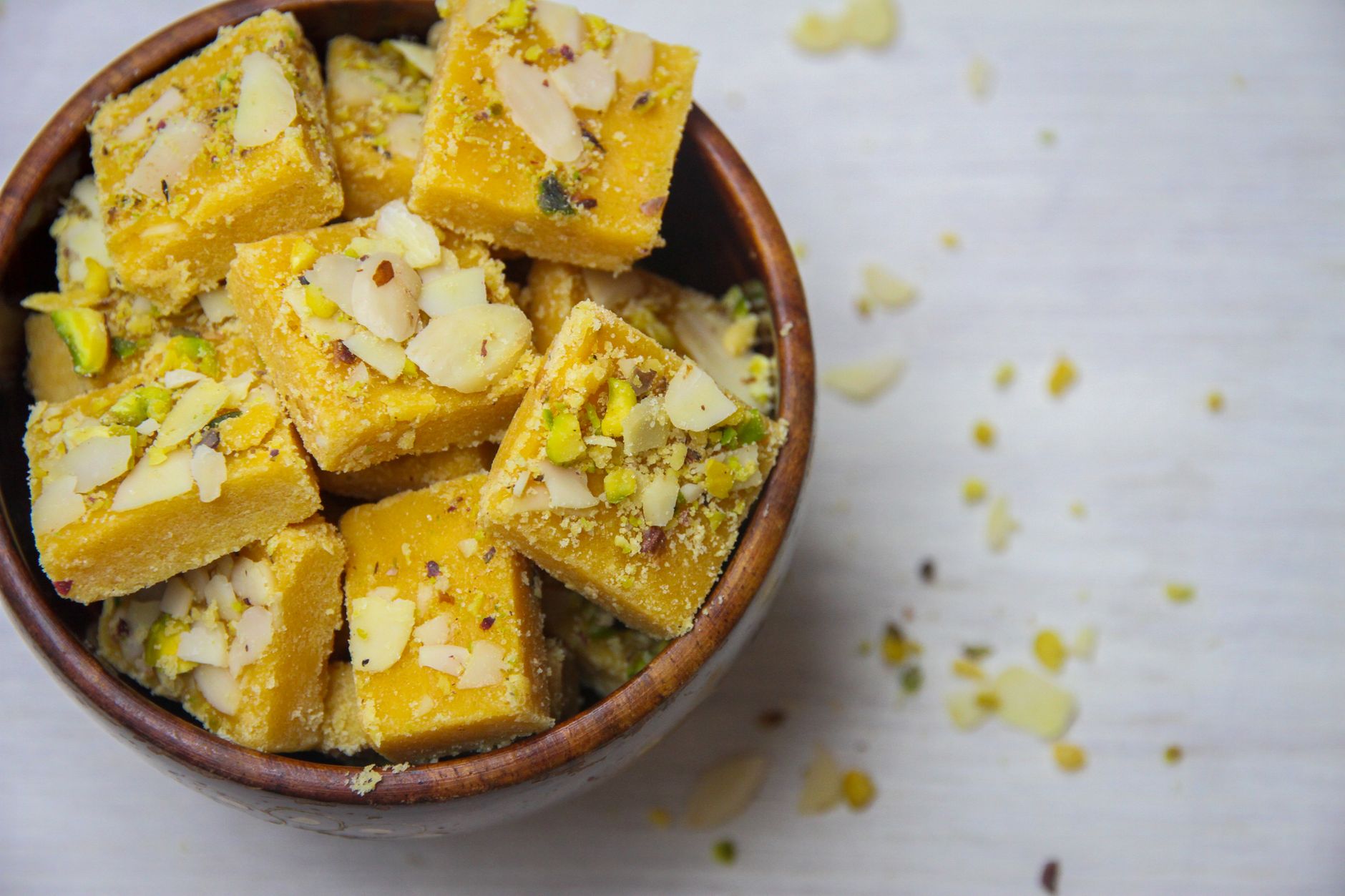
Photo by Pure Punjabi on Pexels