








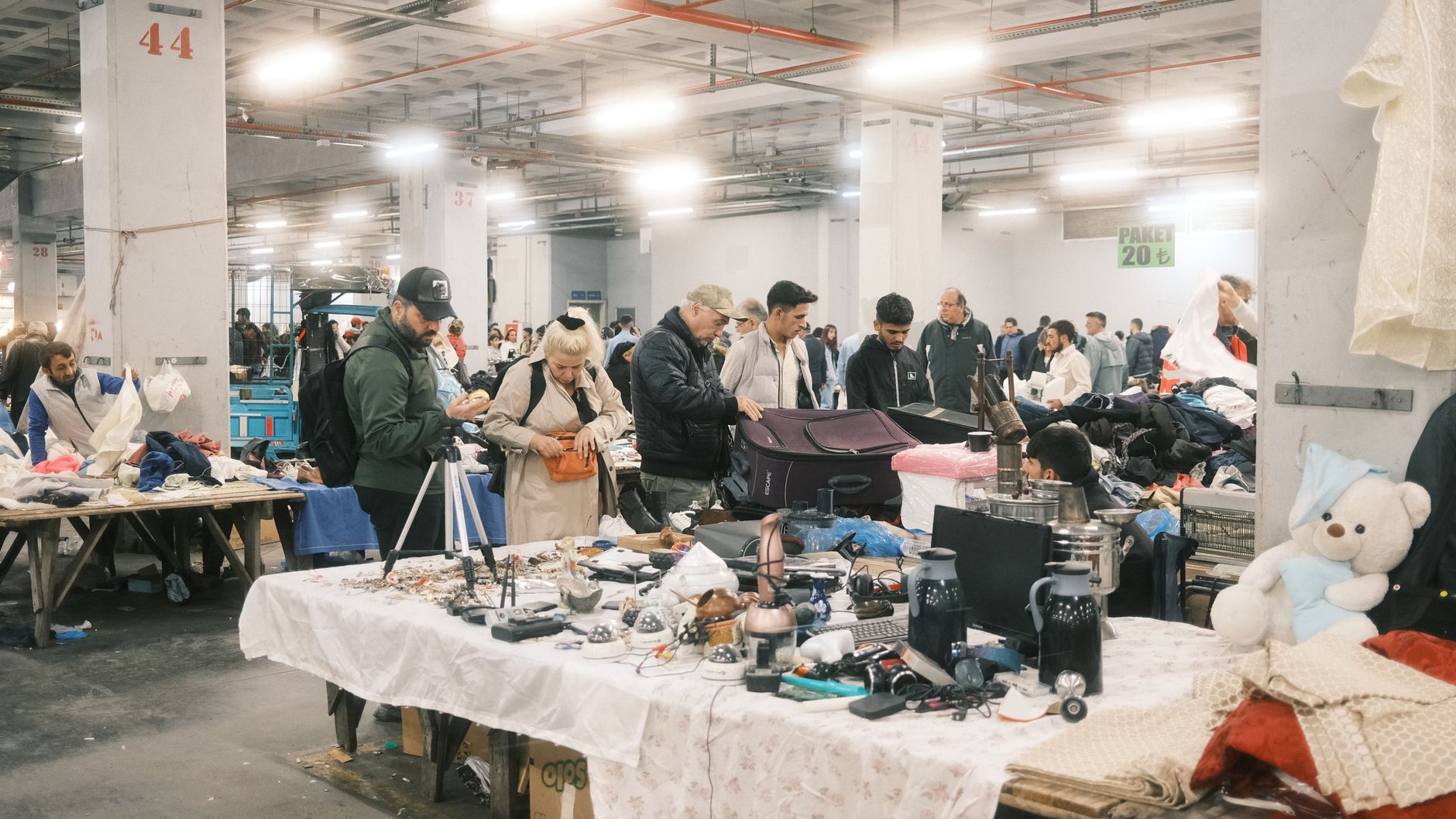
buying used items in Poland will soon change as new tax rules are set to be implemented in 2027. This shift could impact many consumers and sellers alike.
Understanding the New Tax Rules
As Poland prepares for upcoming tax changes, understanding the new rules surrounding buying used items in Poland is essential for consumers. Starting in 2027, individuals purchasing used goods will be subject to a new tax structure aimed at regulating the second-hand market more effectively.
Under the proposed regulations, several key points are noteworthy:
- Tax Applicability: The tax will apply to various categories of used items, including electronics, furniture, and vehicles.
- Seller Responsibilities: Sellers will be required to register transactions and report sales to ensure compliance.
- Exemptions: Certain low-value items may remain exempt from taxation to encourage the circulation of goods among consumers.
- Implementation Period: The regulations will provide a transition period for both buyers and sellers to adjust to these changes.
These developments in the used goods market could significantly impact how individuals engage in buying used items in Poland, making it crucial for everyone to stay informed.
Impact of Tax on Used Items
The upcoming tax changes in Poland will significantly affect the market for buying used items. Starting in 2027, consumers will be required to pay taxes on second-hand purchases, which could alter the landscape of used goods transactions. This decision aims to create a more equal market environment, but it may also lead to increased costs for buyers.
As individuals consider buying used items in Poland, they should be aware of the following potential impacts:
- Price Increases: The added tax burden could lead sellers to raise prices, making used items less attractive.
- Market Dynamics: The tax may deter some sellers from participating in the market, reducing the availability of used goods.
- Consumer Behavior: Shoppers may shift towards new items if the price gap widens due to tax implications.
Overall, these tax changes could reshape the way Polish consumers approach the purchase of second-hand items.
What Consumers Need to Know
As the new tax regulations come into effect in 2027, consumers interested in buying used items in Poland should be aware of several important changes. The Polish government aims to streamline the tax system, which means that all transactions involving second-hand goods will now be subject to a value-added tax (VAT).
This shift aims to ensure fairness in the marketplace and to support local businesses. However, consumers may face higher prices as sellers adjust to the new tax obligations.
- Research Before Purchasing: Make sure to verify the seller and the history of the item.
- Understand the Tax Implications: Be prepared to factor in tax costs when budgeting for your purchases.
- Stay Informed: Keep an eye on updates regarding the implementation of the new tax rules.
Being proactive will help consumers navigate the changes and make informed decisions when buying used items in Poland.
Future of Buying Used Items in Poland
The future of buying used items in Poland looks to be shaped by significant tax reforms set to take effect in 2027. As consumers adapt to these changes, the landscape of second-hand goods will likely evolve. With the introduction of new tax obligations, buyers will need to be more strategic in their purchases.
Experts suggest that while the tax may initially deter some transactions, it could also lead to a more regulated market. This regulation might enhance consumer confidence, as buyers will have clearer protections and guarantees when purchasing used items.
Additionally, this shift could encourage more sellers to disclose the condition and history of used items, fostering transparency in transactions. As Poland embraces these changes, consumers are urged to stay informed and consider how tax implications may affect their buying decisions. The goal remains to create a balanced marketplace that benefits both buyers and sellers alike.
Photo by Sami TÜRK on Pexels
Sources
You might also like
Tata reappointment controversy: What’s the real issue? · Sensex Nifty performance: Is It the Best Time to Invest? · Rentomojo IPO Listing Gains: Best Proven Strategies Revealed