



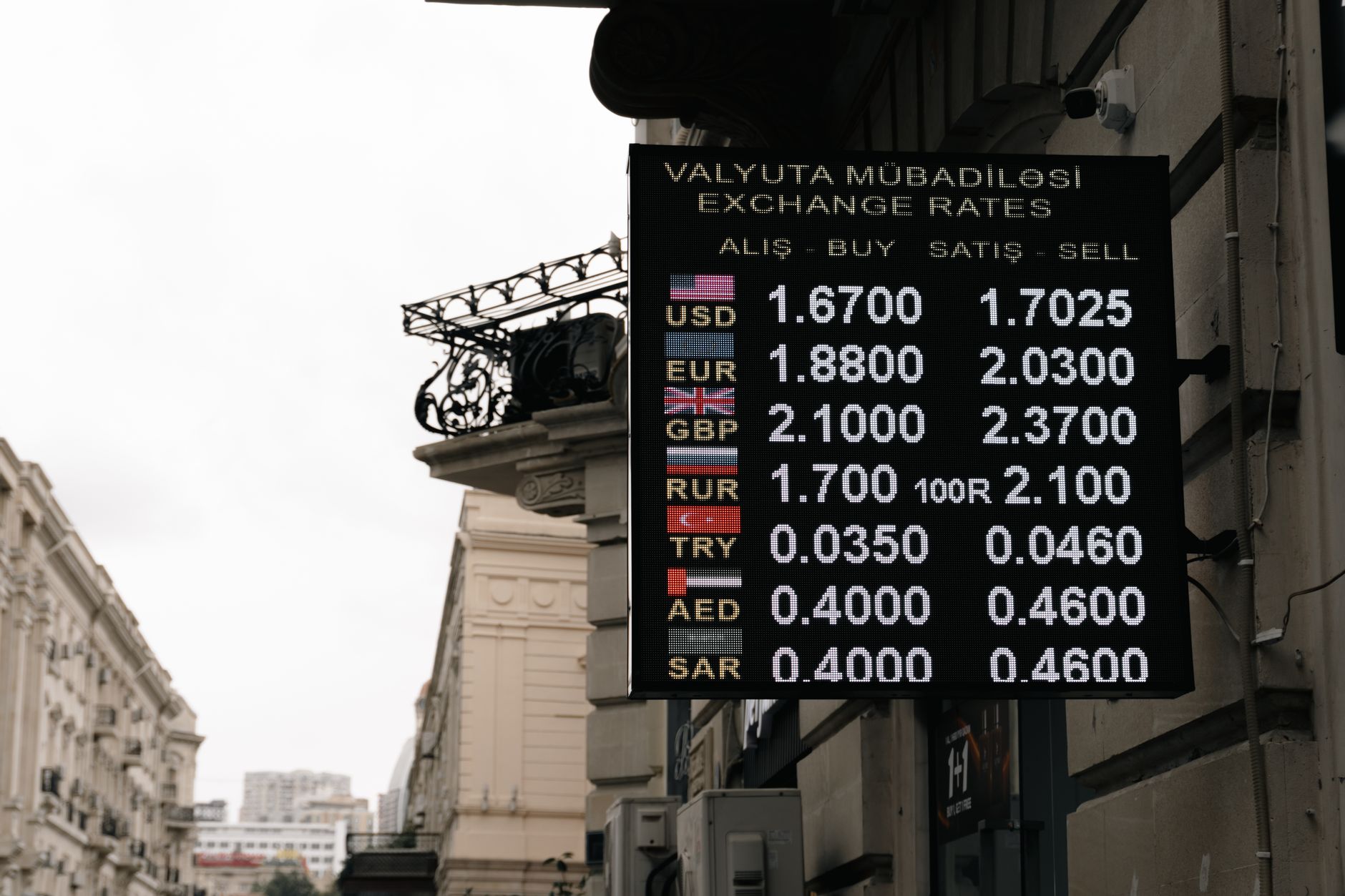
Fed rate hike impact is being felt across the globe, and India is no exception. The recent hike has put significant pressure on the rupee and bonds.
Understanding the Fed Rate Hike
The recent decision by the Federal Reserve to raise interest rates has raised concerns among economists and investors regarding its potential effects on emerging economies, particularly India. The Fed rate hike impact is being closely monitored as it could lead to significant shifts in capital flows and currency valuations.
As the Federal Reserve increases rates, investors often seek higher returns in the U.S., leading to capital outflows from emerging markets like India. This shift can result in the depreciation of the Indian Rupee against the dollar, which has already been under pressure. A weaker rupee can have a cascading effect on the economy.
Moreover, the rise in U.S. interest rates typically results in higher borrowing costs globally, affecting Indian firms that rely on foreign loans. This can lead to:
- Increased financing costs: Companies may find it more expensive to raise capital, impacting growth plans.
- Inflationary pressures: A weaker rupee can make imports costlier, potentially driving up prices for consumers.
- Investment slowdown: Reduced foreign investments may hinder economic expansion.
In summary, while the Fed rate hike impact poses challenges, it also offers an opportunity for Indian policymakers to strengthen the economy through reforms and improved fiscal management.
How the Rupee is Affected
The impact of the Fed rate hike on the Indian economy is undeniable, particularly in how it affects the Indian Rupee. As the U.S. Federal Reserve raises interest rates, capital tends to flow out of emerging markets like India, leading to currency depreciation.
When the Fed increases rates, it typically results in a stronger U.S. dollar, making the Indian Rupee weaker in comparison. This depreciation can have several consequences:
- Inflationary Pressure: A weaker Rupee increases the cost of imported goods, particularly oil, which can drive inflation higher.
- Investment Sentiment: Foreign investors may become wary of investing in Indian assets, fearing further currency devaluation.
- Current Account Deficit: As imports become more expensive, the current account deficit could widen, putting additional pressure on the Rupee.
- Economic Growth: Lower investor confidence can lead to a slowdown in economic growth, as businesses may delay expansion plans due to uncertainty.
In summary, the Fed rate hike impact creates a challenging environment for the Indian Rupee, contributing to broader economic uncertainties. Stakeholders need to closely monitor these developments to navigate the potential risks effectively.
Impact on Indian Bonds
The recent Fed rate hike has sent ripples through global financial markets, with Indian bonds facing significant pressure. Investors are closely monitoring how these changes will influence the overall market sentiment and the economic landscape in India.
As interest rates rise in the United States, foreign investors may seek higher returns in U.S. assets, leading to capital outflows from emerging markets like India. This shift can cause yields on Indian bonds to increase, making borrowing more expensive for the government and private sector alike.
In light of the Fed rate hike impact, several factors are at play:
- Foreign Investment: A decline in foreign direct investment may result as investors turn their attention to the U.S. market, affecting liquidity in the Indian bond market.
- Inflationary Pressures: Rising yields could signal inflation concerns, leading to increased borrowing costs for businesses and consumers.
- Market Volatility: The uncertainty surrounding bond performance may lead to heightened volatility, impacting both short-term and long-term investment strategies.
As the situation develops, analysts suggest that the Reserve Bank of India may need to adopt a cautious approach to manage these challenges effectively. The Fed rate hike impact is not just a concern for the currency; it is poised to affect various facets of the Indian economy, particularly the bond market.
Market Reactions to Rate Changes
The recent Fed rate hike has triggered a wave of reactions in the Indian market, highlighting the interconnectedness of global economies. Investors are closely monitoring the implications of these changes, as they assess the potential impact on India’s financial landscape.
One immediate effect observed was the volatility in the stock market. Following the announcement, major indices experienced fluctuations as traders reacted to the news. Many analysts believe that the Fed rate hike impact will lead to increased uncertainty among investors, prompting a shift in their strategies.
Moreover, foreign institutional investors (FIIs) have begun reassessing their positions in Indian equities. A rise in U.S. interest rates often results in a capital outflow from emerging markets like India, as investors seek higher returns in safer assets. This trend has been evident in the recent sell-off of shares, which has raised concerns about market stability.
The bond market has also shown signs of strain. Yields on government securities have risen in response to the rate hike, making it more expensive for the Indian government to borrow. This could potentially lead to tighter monetary policy in India, further complicating the economic scenario.
Overall, market reactions to the Fed rate hike signal a challenging period ahead for India. Stakeholders must remain vigilant as they navigate the complexities arising from these global shifts.
Historical Context of Fed Rate Hikes
The historical context of Fed rate hikes reveals a pattern that often places emerging economies, including India, under significant pressure. Over the past two decades, the Federal Reserve has implemented several rate hikes, each with varying degrees of impact on global markets.
In the early 2000s, a series of increases led to heightened volatility in emerging markets, as investors shifted their focus to higher yields in the U.S. During this time, countries like India experienced capital outflows, resulting in depreciating currencies and rising inflation. The Fed rate hike impact was particularly pronounced in 2013, when the Fed hinted at tapering its bond-buying program. This caused the Indian rupee to fall sharply, exacerbating the current account deficit and prompting the Reserve Bank of India to intervene.
Similarly, the 2015 rate hike cycle saw a resurgence of volatility, as investors reassessed their risk exposure. The Indian economy, which was then on the path to recovery, faced challenges as borrowing costs increased and foreign investments dwindled.
More recently, in 2022, the Fed’s aggressive stance on interest rates created a ripple effect across financial markets worldwide. As India grapples with the implications of these decisions, understanding the historical context becomes essential in assessing the potential fallout on its economy.
Future Predictions for India’s Economy
As the Federal Reserve continues to adjust interest rates, analysts are closely monitoring the potential ramifications for India’s economy. The Fed rate hike impact is a concern for many, particularly in relation to investment flows and inflationary pressures.
Economists predict several scenarios for the coming months:
- Capital Outflows: Higher U.S. interest rates may entice foreign investors to withdraw capital from emerging markets like India, leading to reduced liquidity in the domestic market.
- Inflationary Pressures: Increased borrowing costs could result in higher prices for goods and services, which may strain household budgets and consumer spending.
- Currency Volatility: The Indian rupee could face further depreciation against the dollar, impacting import costs and overall economic stability.
- Slower Growth: With higher interest rates, businesses may be less inclined to invest in expansion, potentially leading to slower economic growth in the coming quarters.
Despite these challenges, some experts remain optimistic. They argue that India’s economic fundamentals, such as a young workforce and robust domestic consumption, may help absorb some of the shocks from the Fed’s decisions. However, the overall outlook remains uncertain as policymakers navigate these turbulent waters.
Strategies to Mitigate Financial Risks
As the Fed rate hike impact continues to reverberate through global markets, India must adopt proactive strategies to mitigate potential financial risks. The following approaches can help safeguard the economy against adverse effects:
- Diversifying Investments: Investors should consider diversifying their portfolios across asset classes, including equities, commodities, and international markets. This can reduce the impact of rate fluctuations on domestic investments.
- Strengthening Foreign Reserves: The Reserve Bank of India (RBI) should focus on building substantial foreign exchange reserves to buffer against currency volatility and to support the rupee in turbulent times.
- Enhancing Export Competitiveness: By investing in infrastructure and technology, India can enhance its export capabilities. A stronger export sector can help balance trade deficits that may arise from a weaker rupee.
- Improving Domestic Consumption: Policies aimed at boosting domestic demand can cushion the economy from external shocks. Stimulating consumer spending through fiscal incentives may help maintain growth.
- Monitoring Inflation: Keeping inflation in check is crucial. The RBI must ensure that interest rates remain conducive to economic growth without triggering excessive inflationary pressures.
In conclusion, while the Fed rate hike impact poses challenges, strategic measures can help India navigate these uncertainties effectively.
The Fed rate hike impact is likely to reverberate through various sectors of the Indian economy, affecting everything from inflation to investment. Understanding the Fed rate hike impact will be crucial for policymakers as they navigate these challenging economic waters.
Photo by Zulfugar Karimov on Pexels