



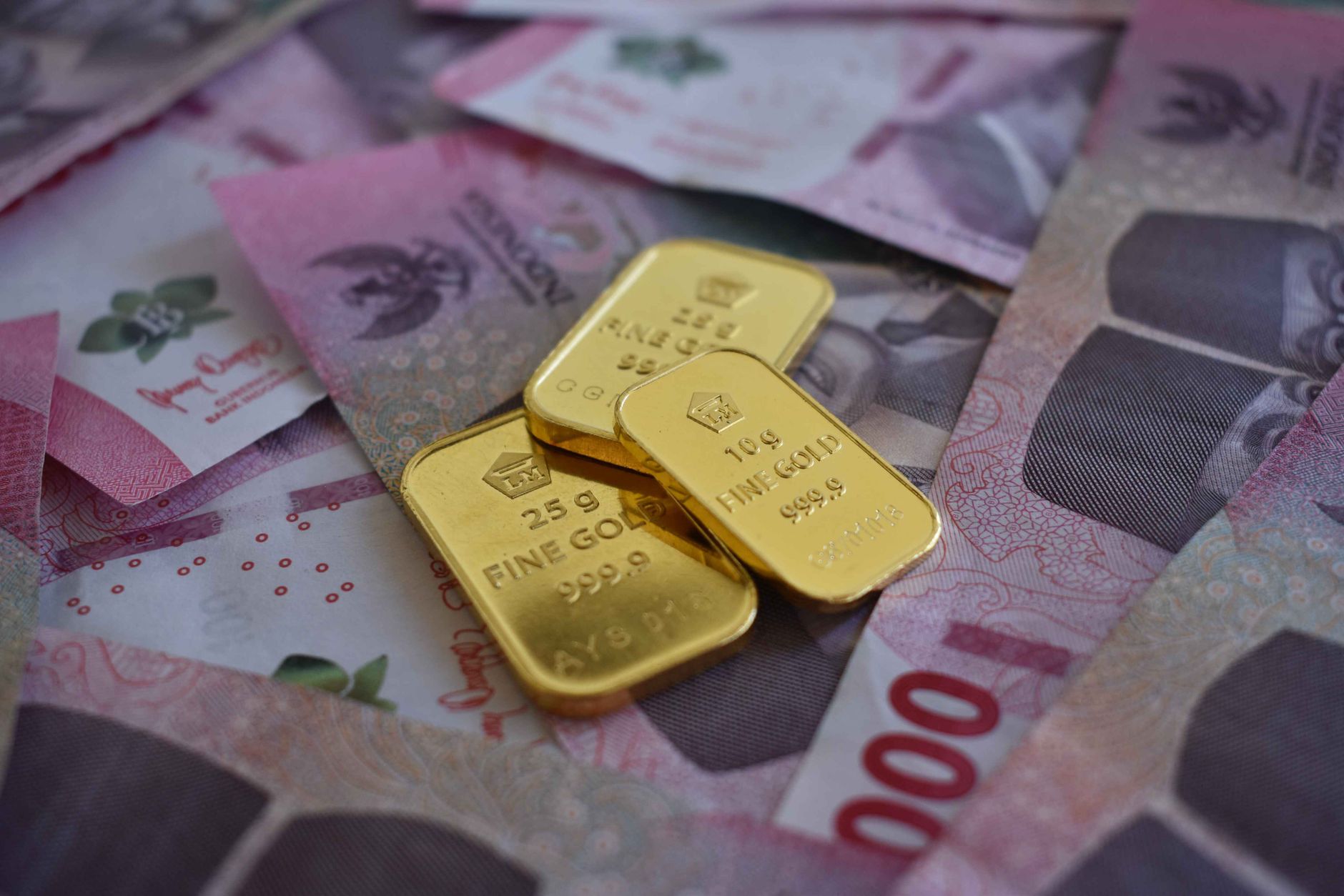
Gold rate correction is a significant topic for investors. With a 21% drop from record highs, many are questioning if now is the right time to buy.
Understanding Gold Rate Corrections
The recent gold rate correction has sparked interest among investors looking for opportunities in the precious metals market. Following a peak that saw gold prices surge, the current decline of approximately 21% from its record high has created a favorable environment for potential buyers.
Understanding the dynamics of gold rate corrections is crucial for making informed investment decisions. Several factors contribute to fluctuations in gold prices, including:
- Economic Indicators: Changes in inflation rates, interest rates, and currency value can significantly impact gold prices.
- Geopolitical Tensions: Events such as conflicts or political instability often drive investors towards gold as a safe haven.
- Market Demand: Seasonal demand, particularly from countries like India and China, can lead to price adjustments.
It is essential for investors to analyze these factors before entering the market. The current correction may signal a strategic time to purchase, as prices are more accessible. However, it is advisable to adopt proven strategies, such as dollar-cost averaging, to mitigate risks associated with market volatility.
In summary, understanding the implications of the gold rate correction can empower investors to make timely and strategic buying decisions.
Market Trends for Samvat 2083
The market trends for Samvat 2083 indicate a significant gold rate correction, which has captured the attention of investors. After reaching a record high, gold prices have witnessed a notable decline of approximately 21%. This shift raises critical questions for potential buyers about the best timing to enter the market.
Many analysts suggest that the current correction could present a unique opportunity for investors looking to accumulate gold. With prices lower than recent peaks, the sentiment among experts is cautiously optimistic. Here are some key trends to consider:
- Increased Demand: Despite the recent correction, there remains a consistent demand for gold, particularly in traditional markets where it is seen as a safe haven.
- Inflation Hedge: Gold often serves as a hedge against inflation, making it an attractive option in uncertain economic times.
- Global Factors: Geopolitical tensions and shifts in currency values can significantly impact gold prices, warranting close attention.
- Seasonal Patterns: Historically, gold prices tend to rise during festival seasons, which could influence buying behavior in Samvat 2083.
As investors weigh their options, understanding the implications of this gold rate correction will be crucial in making informed purchasing decisions.
Is This the Right Time to Invest?
The recent gold rate correction has raised questions among investors about whether this is the right time to buy. With prices down 21% from their record highs, many are evaluating their options in a market that has historically been viewed as a safe haven. Investors should consider several factors before making their decision.
First, it’s essential to assess your investment goals. Are you looking for short-term gains or long-term security? Gold tends to perform well during times of economic uncertainty, so if you believe that volatility is on the horizon, investing now could be wise.
Secondly, consider the timing of your purchase. Historically, prices can fluctuate based on seasonal demand, particularly during festivals and wedding seasons in many cultures. With Samvat 2083 approaching, which is a traditional time for investing in gold, it may be prudent to keep an eye on market trends and consumer behavior.
Lastly, diversifying your portfolio is crucial. While gold can be a valuable asset, it’s wise to balance your investment with other commodities and stocks to mitigate risk. Therefore, before jumping into the market, conduct thorough research and consult financial advisors to determine if this correction presents a genuine buying opportunity.
Factors Influencing Gold Prices
The fluctuations in gold prices are influenced by a multitude of factors that can lead to significant corrections in the market. Understanding these influences is crucial for investors, especially during periods of gold rate correction.
- Global Economic Conditions: Economic stability or uncertainty in major economies can affect gold demand. During times of recession, gold often becomes a safe-haven asset, driving prices up.
- Inflation Rates: Higher inflation typically leads investors to flock to gold as a hedge against eroding purchasing power. Conversely, lower inflation can decrease gold’s allure.
- Interest Rates: Central banks play a significant role; when interest rates rise, gold becomes less attractive compared to interest-earning assets. Conversely, lower rates can spur demand for gold.
- Geopolitical Tensions: Conflicts and instability in different regions can prompt investors to seek safety in gold, impacting its price positively.
- Currency Strength: The strength of the US dollar is inversely related to gold prices. A strong dollar can lead to a gold rate correction, making the metal more expensive for holders of other currencies.
By considering these factors, investors can better navigate the complexities of the gold market and identify potential opportunities during periods of gold rate correction.
Expert Opinions on Gold Buying
Experts in the financial sector are weighing in on the current gold rate correction, emphasizing that this period could be a strategic opportunity for potential investors. With gold prices down 21% from their record highs, many suggest that those looking to invest should consider the long-term benefits rather than focusing solely on short-term fluctuations.
According to financial analyst Priya Sharma, “The recent drop in gold prices is a natural correction after a significant rally. Investors should view this as a chance to enter the market.” She advises buyers to assess their financial goals and risk tolerance before making any decisions.
Another expert, Rajiv Mehta, highlights the importance of diversification in an investment portfolio. “Gold has historically acted as a safe haven during economic uncertainty. The current gold rate correction presents a unique chance to balance investments across various asset classes,” he states.
Investment strategist Aisha Khan recommends a phased approach: “Instead of investing a lump sum, consider a systematic investment plan (SIP) in gold. This can help mitigate risks associated with market volatility.”
Ultimately, experts agree that timing the market can be challenging, but understanding the broader economic context can guide better investment decisions.
Investment Strategies for Gold
As the gold rate correction unfolds, investors are keen to explore effective strategies for capitalizing on this market shift. Here are some proven approaches to consider when navigating the current landscape of gold investments:
- Dollar-Cost Averaging: This strategy involves investing a fixed amount of money at regular intervals, regardless of the gold price. By doing so, investors can average out their purchase price over time, mitigating the impact of price fluctuations.
- Long-Term Perspective: Given the historical volatility of gold prices, maintaining a long-term investment horizon can be beneficial. Rather than trying to time the market, investors should focus on the potential for wealth preservation and growth over several years.
- Diversification: It is essential to diversify investment portfolios to manage risk effectively. Alongside gold, consider allocating funds to other asset classes such as equities, bonds, or real estate to balance potential returns.
- Research and Monitoring: Staying informed about market trends and economic factors that influence gold prices is crucial. Regularly reviewing expert opinions and market analyses can provide valuable insights for making informed investment decisions.
With the ongoing gold rate correction, now may be the right time to adopt these strategies and make strategic investments in gold.
Historical Context of Gold Rates
The history of gold rates has been marked by significant fluctuations, often influenced by economic conditions, geopolitical events, and changes in investor sentiment. In recent years, we have witnessed various periods of volatility, with gold prices reaching record highs before experiencing sharp corrections. The current gold rate correction, which has seen prices drop by 21% from their peak, serves as a critical reminder of these trends.
Historically, gold has been viewed as a safe-haven asset, particularly during times of economic uncertainty. For instance, during the global financial crisis in 2008, gold prices soared as investors sought stability. Conversely, when economic recovery began, gold prices experienced notable corrections, reflecting shifting investor confidence.
As we analyze the current gold rate correction, it is essential to consider past trends. Investors often look for patterns that indicate the best times to buy. The corrections can provide opportunities for astute investors to acquire gold at more favorable prices, particularly during festive seasons like Samvat. This historical context underscores the importance of strategic timing and informed decision-making in gold investment.
With the ongoing fluctuations, understanding the broader historical landscape of gold rates can aid investors in navigating the complexities of the market.
Conclusion: Future of Gold Investments
In conclusion, the current gold rate correction presents a significant opportunity for investors looking to enter the market. With prices having dropped by 21% from their record highs, many experts believe that this period of adjustment could be the ideal moment to make strategic investments in gold. As the market stabilizes, the potential for growth is promising, making it essential for investors to consider various factors before making their decisions.
Key strategies for navigating the gold market during this correction include:
- Diversification: Investing in a mix of assets can help mitigate risks associated with gold price fluctuations.
- Long-term perspective: Viewing gold as a long-term investment rather than a short-term trading option can yield better returns.
- Market research: Staying informed about market trends and expert opinions can guide investment decisions effectively.
- Timing: Understanding seasonal trends and economic indicators can aid in determining the right time to purchase gold.
As the market evolves, those who take a calculated approach during this gold rate correction may find themselves well-positioned to benefit from future price increases. Investors should remain vigilant and adaptable to maximize their investment potential in the coming months.
Photo by Robert Lens on Pexels