



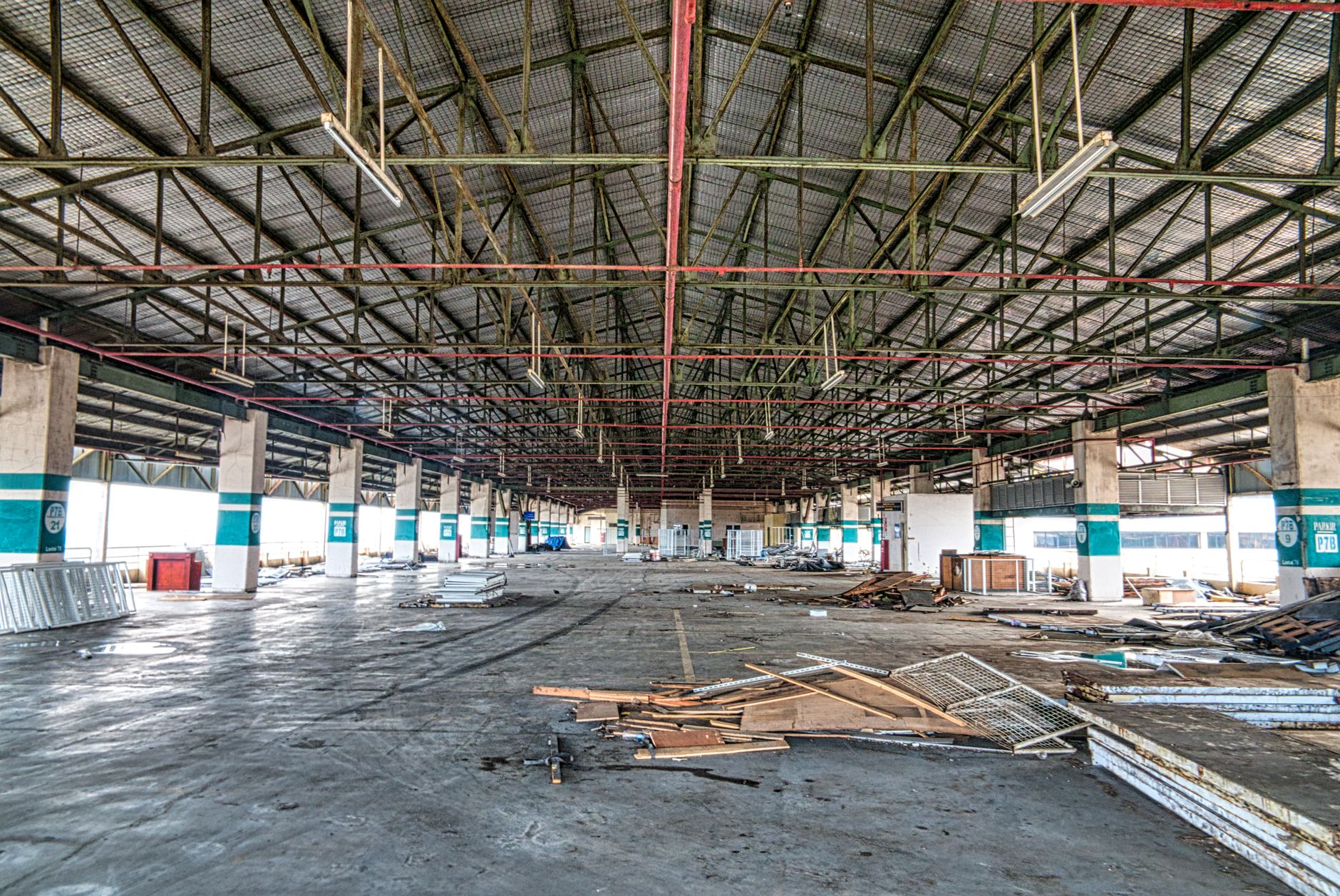
KCCI logistics decline has emerged as a critical issue, particularly affecting routes across America and Europe. This downturn poses significant challenges for logistics companies.
Overview of KCCI Logistics
The recent report on KCCI logistics decline highlights significant challenges faced by the logistics sector. As the demand for transportation services fluctuates, KCCI has reported a stagnation in its overall performance. Key factors contributing to this situation include:
- Declining Demand: Both American and European routes have experienced a downturn, leading to reduced cargo volumes.
- Operational Costs: Rising fuel prices and labor expenses are squeezing profit margins for logistics providers.
- Competition: Increased competition from other logistics companies has further strained KCCI’s market position.
As a result of these factors, stakeholders are concerned about the sustainability of KCCI’s operations. The logistics decline has prompted discussions about potential strategies to adapt to the evolving market landscape. Investors are particularly attentive to how KCCI plans to navigate these turbulent times and restore growth.
Recent Trends in Shipping Routes
Recent trends in shipping routes have shown a significant decline in KCCI logistics, affecting various transportation networks. This downturn is primarily attributed to shifts in demand and increased competition among global shipping companies.
Key factors influencing this decline include:
- Increased Fuel Costs: The rise in fuel prices has led to higher operational expenses, prompting some companies to reduce their shipping frequency.
- Global Economic Conditions: Economic slowdowns in key markets have resulted in decreased consumer demand, which directly impacts logistics operations.
- Supply Chain Disruptions: Ongoing supply chain challenges, including port congestion and labor shortages, have further complicated shipping routes.
As KCCI logistics continues to navigate these hurdles, stakeholders are urged to adapt their strategies to mitigate the worst impacts on routes and maintain competitiveness in the market.
Impact of KCCI Logistics Decline
The recent decline in KCCI logistics has significant repercussions on shipping routes across various regions. As companies grapple with the challenges posed by this downturn, the impact is felt most acutely in several key areas.
- Increased Delays: Shipping times have extended, leading to frustrations among businesses relying on timely deliveries.
- Rising Costs: The decline has resulted in higher freight rates, forcing companies to reassess their logistics budgets.
- Route Adjustments: Many logistics providers are altering their routes, which can lead to inefficiencies and further complications in supply chains.
- Global Trade Impact: A ripple effect is expected as KCCI logistics decline may disrupt international trade patterns, particularly affecting exports from the Americas and Europe.
As the industry continues to adapt, stakeholders must monitor these changes closely to mitigate the effects of the KCCI logistics decline.
Challenges Faced by the Industry
The KCCI logistics decline has exposed several challenges faced by the industry, particularly in maintaining efficient shipping routes. As demand fluctuates, logistics companies are struggling to adapt to the changing landscape. Key challenges include:
- Increased Operational Costs: Rising fuel prices and labor shortages have significantly impacted profitability.
- Infrastructure Limitations: Outdated facilities and insufficient transportation networks hinder timely deliveries.
- Regulatory Hurdles: Complying with new regulations adds complexity and delays to operations.
- Supply Chain Disruptions: Global events, such as pandemics and geopolitical tensions, have led to unprecedented supply chain interruptions.
These factors combined have resulted in a challenging environment for KCCI logistics, forcing companies to rethink their strategies to remain competitive in a declining market.
Future Outlook for Logistics
The future outlook for logistics, particularly in light of the KCCI logistics decline, remains uncertain. Industry experts predict a challenging landscape as companies adapt to shifting market demands and the ongoing repercussions of reduced shipping routes.
Several key factors will influence the logistics sector moving forward:
- Technological Advancements: Innovations in tracking and inventory management may help mitigate some challenges.
- Regulatory Changes: New policies could reshape operational frameworks, potentially easing some burdens.
- Sustainability Initiatives: A push for greener logistics practices may drive companies to rethink their supply chains.
- Global Economic Trends: Fluctuations in the global economy could impact demand for shipping services.
Ultimately, the logistics industry must adapt to these changes to navigate the ramifications of the KCCI logistics decline effectively.
Key Strategies for Recovery
As the KCCI logistics decline continues to affect the industry, companies are exploring key strategies for recovery. Addressing the challenges posed by diminishing shipping routes requires a multifaceted approach.
- Investment in Technology: Leveraging advanced tracking and logistics software can enhance efficiency and reduce operational costs.
- Strengthening Partnerships: Collaborating with other logistics providers can help share resources and improve service reliability.
- Diversifying Routes: Exploring alternative shipping routes may mitigate the impact of declines in traditional areas.
- Focus on Sustainability: Implementing greener practices can appeal to environmentally conscious consumers and reduce long-term costs.
- Training and Development: Investing in workforce skills is essential to adapt to changing industry demands and maintain competitiveness.
By adopting these strategies, stakeholders aim to navigate the current climate while fostering resilience against future disruptions in KCCI logistics.
Photo by Tom Fisk on Pexels