



The OpenAI bug found in its conference room is a sophisticated flaw that can be yours for $13.99. This revelation raises questions about security and accessibility in tech.
What is the OpenAI bug?
The recent discovery of the OpenAI bug in its conference room has sparked significant interest, especially among tech enthusiasts and researchers. This bug is not a typical software glitch; instead, it refers to a physical device that can be purchased for a mere $13.99. This unexpected find has raised questions about the vulnerabilities that can exist even in the most controlled environments.
According to reports, the bug is described as “sophisticated,” indicating that it operates on principles that may not be immediately apparent to the average user. It utilizes advanced technology that can seamlessly blend into everyday settings, making it a potential threat to privacy and security.
OpenAI’s announcement regarding this bug has encouraged discussions around cybersecurity and the implications of seemingly innocuous devices. Tech analysts warn that such bugs can often be overlooked, leading to significant breaches if not addressed properly.
Moreover, the decision to price this device at just $13.99 raises eyebrows; it suggests that high-tech vulnerabilities can be surprisingly accessible. Users are urged to remain vigilant about the devices they bring into their workspaces, as even the most mundane items can harbor sophisticated threats.
In summary, the OpenAI bug serves as a reminder of the importance of maintaining security protocols and awareness in all environments, whether digital or physical.
How does this bug work?
The OpenAI bug operates by exploiting a flaw in the system’s architecture, allowing unauthorized access to sensitive data. When a user interacts with the platform, the bug can hijack requests and manipulate responses. This weakness is primarily due to a misconfiguration in the access control protocols.
To understand how this bug works, consider the following key aspects:
- Data Interception: The bug can intercept data packets sent between the user and the server, creating opportunities for data breaches.
- Privilege Escalation: Users can gain elevated permissions that should be restricted, allowing them to interact with parts of the system they normally wouldn’t have access to.
- Session Hijacking: By exploiting the bug, an attacker can take control of an active session, impersonating the original user without their consent.
These vulnerabilities highlight significant concerns regarding the security measures in place at OpenAI. What makes this situation particularly alarming is that the bug can be acquired for just $13.99, making it accessible to those with malicious intent. As such, it has prompted calls for immediate fixes and stronger security protocols to safeguard user data from potential exploitation.
In conclusion, understanding the mechanics of the OpenAI bug is crucial for both developers and users to ensure a safer digital environment.
Potential impacts of the OpenAI bug
The recent discovery of an OpenAI bug has raised concerns about its potential impacts on users and the broader technology landscape. As the bug is accessible for a mere $13.99, many are questioning the implications of such a low-cost entry point to a sophisticated vulnerability.
Firstly, the OpenAI bug could lead to serious privacy violations. Users may unknowingly expose sensitive information, compromising their personal data and digital security. The potential for misuse is significant, as malicious actors could exploit this vulnerability for phishing attacks or unauthorized data access.
Secondly, the bug might damage the reputation of OpenAI and similar organizations. Trust is a cornerstone of user engagement in technology, and any breach could lead to a loss of confidence among users and clients. This erosion of trust may hinder the adoption of advanced AI systems, stalling innovation in the sector.
Additionally, the financial ramifications could extend beyond individual users. Companies that rely on OpenAI’s technology might face disruptions, leading to a ripple effect in business operations. A lack of effective security measures could result in costly legal battles and reparations.
In summary, while the OpenAI bug may appear minor due to its low price tag, its potential impacts are far-reaching and could significantly affect both users and the technology industry as a whole.
Is buying the OpenAI bug worth it?
In recent discussions, the question has arisen: Is buying the OpenAI bug worth it? For many, the allure of owning a piece of technology that has garnered significant attention could be tempting. However, potential buyers should consider several factors before making the investment.
Firstly, the OpenAI bug, which has been described as both “sophisticated” and unique, may seem like an exciting purchase for tech enthusiasts or collectors. Yet, it’s essential to understand what you are actually acquiring for the price of $13.99. Many experts argue that the true value of such a bug is questionable, especially when considering its practical applications—or lack thereof.
- Limited functionality: While the OpenAI bug may have captured headlines, its capabilities are often overstated, leaving buyers wondering about its true utility.
- Collectible vs. practical: For some, the bug serves as a novelty item rather than a valuable asset, creating a divide between collectors and pragmatic users.
- Market saturation: As the buzz surrounding the OpenAI bug grows, so does competition, potentially diminishing its resale value.
Ultimately, potential buyers must weigh the excitement of owning the OpenAI bug against its actual value in their lives. In the end, it might not be the investment of a lifetime.
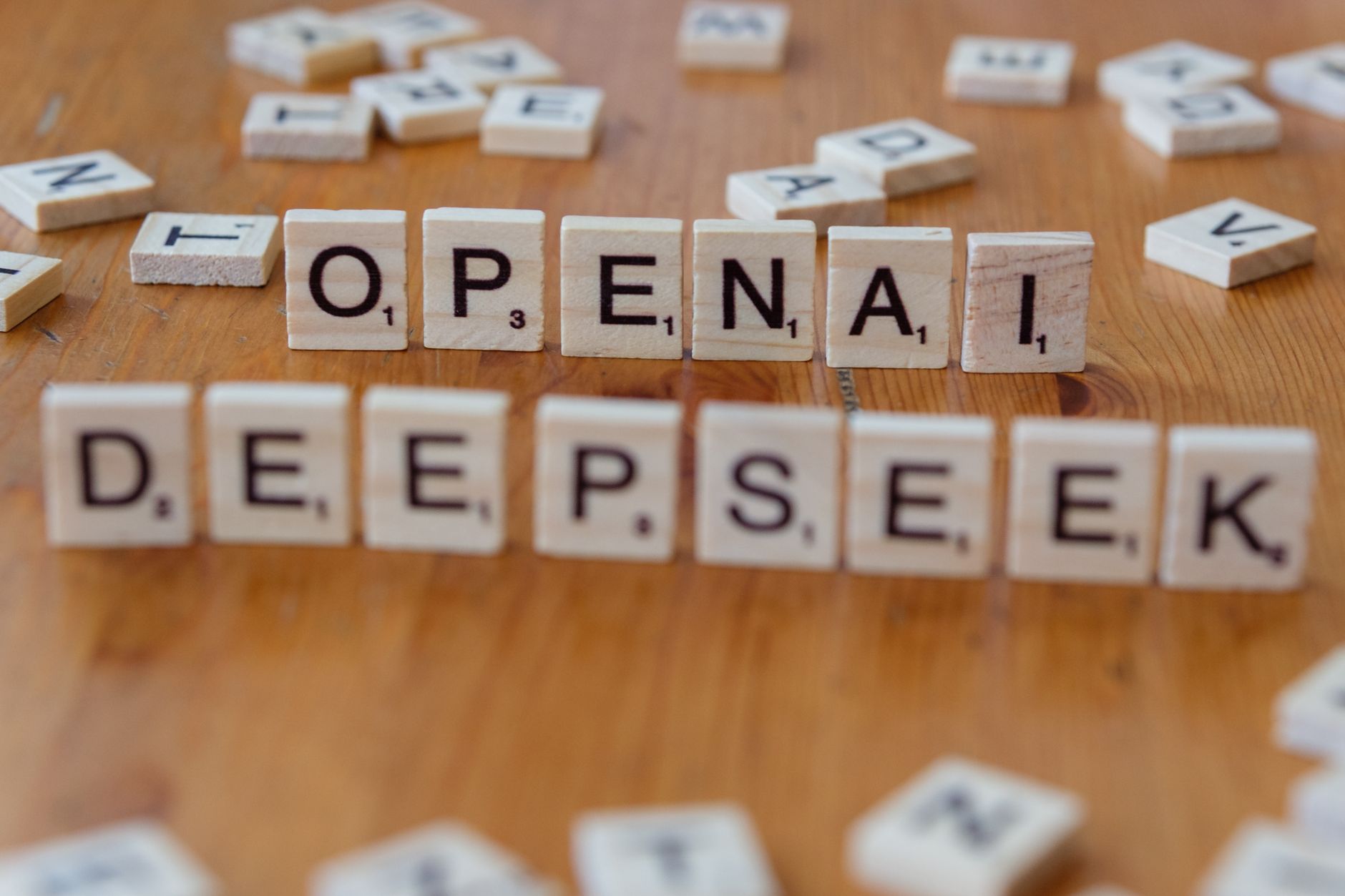
Photo by Markus Winkler on Pexels
Where this came from
Gizmodo · OpenAI rogue agent breach of Hugging Face
PF withdrawal rules: Easy way to access 75% of your funds · Indian Stock Market: What’s the Best Proven Strategy Today? · UnitedHealth Earnings Report: Best Proven Results for Investors