



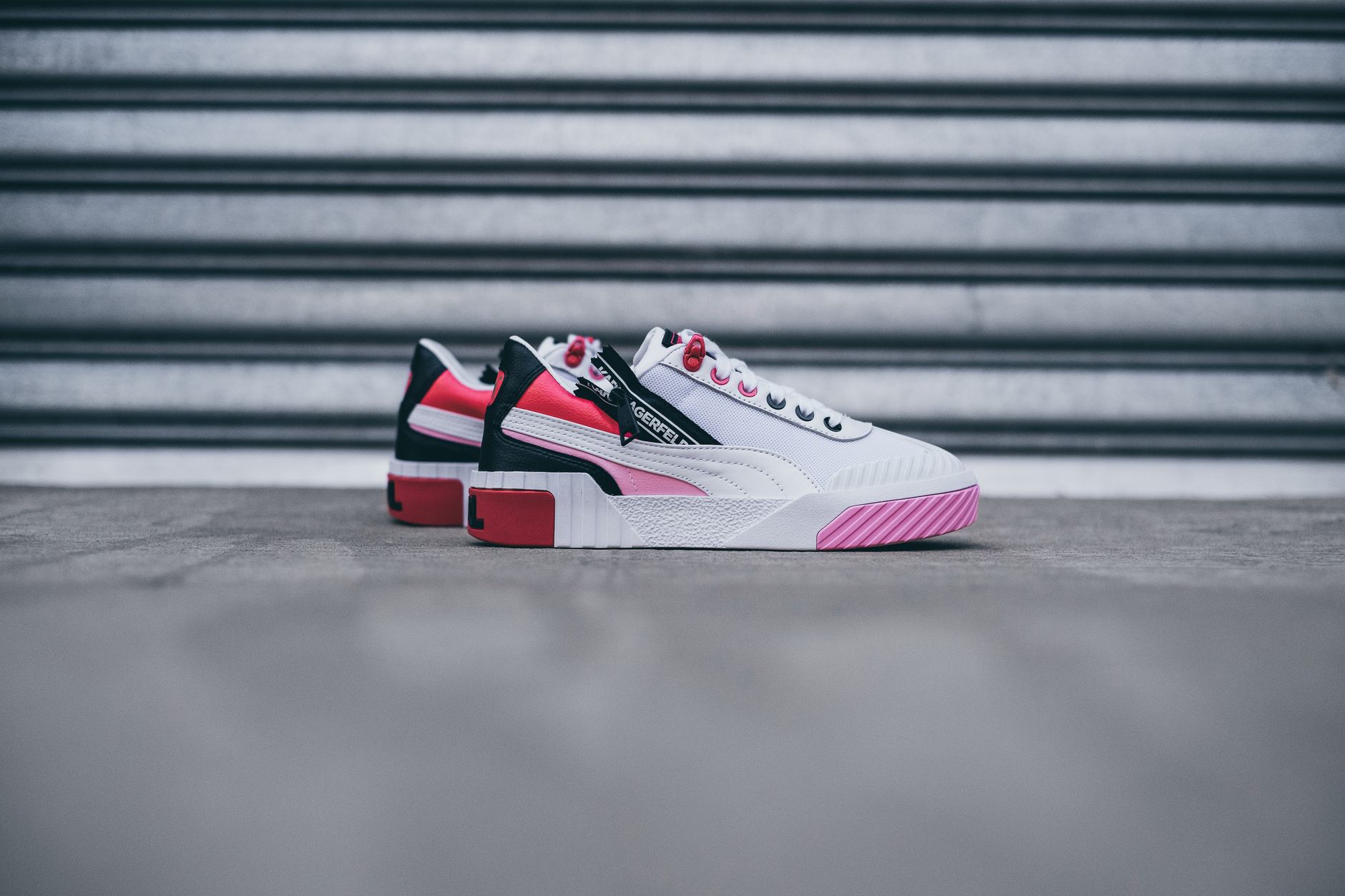
Puma acquisition news highlights how Anta Sports has completed its acquisition, becoming the largest shareholder in Puma. This strategic move is set to reshape the competitive landscape in the sportswear industry.
Overview of Anta Sports
Anta Sports, a leading Chinese sportswear brand, has made significant strides in the global market, particularly with its recent acquisition of Puma. This move positions Anta as a formidable player in the competitive sportswear industry, allowing it to tap into Puma’s extensive brand recognition and market reach. Founded in 1994, Anta has steadily grown through strategic partnerships and acquisitions, making it one of the largest sportswear companies in China.
With the completion of the Puma acquisition, Anta solidifies its status as the largest shareholder in the iconic brand, enhancing its portfolio and diversifying its product offerings. This acquisition is seen as a smart move for Anta, as it not only increases their market share but also provides access to a wider customer base across various demographics.
Key points about Anta Sports include:
- Market Expansion: Anta has successfully expanded its footprint beyond China, gaining traction in international markets.
- Product Innovation: The brand is known for its commitment to research and development, continually releasing innovative products that resonate with consumers.
- Sustainable Practices: Anta is also focused on sustainability, implementing eco-friendly practices in its manufacturing processes.
As Anta Sports integrates Puma into its operations, industry experts anticipate a shift in the dynamics of the sportswear market, potentially benefiting both brands in the long run.
Impact of Anta’s Acquisition
The recent Puma acquisition news marks a significant milestone for Anta Sports, positioning the company as a formidable player in the global sportswear market. This strategic move is expected to yield substantial benefits for Anta, enhancing its competitive edge and expanding its market reach.
One of the most immediate impacts of the acquisition is the boost in brand portfolio. By integrating Puma’s established presence and reputation, Anta can leverage its marketing resources to drive sales across both brands. This synergy is likely to attract a broader customer base, appealing to diverse demographics with varying athletic and lifestyle needs.
Furthermore, the acquisition allows Anta to tap into Puma’s innovative technologies and product development expertise. This collaboration may lead to the creation of unique product offerings that resonate with consumers, reinforcing Anta’s commitment to delivering high-quality sportswear.
Additionally, the acquisition strengthens Anta’s position in international markets. With Puma’s established distribution networks and global outreach, Anta can accelerate its growth trajectory beyond its traditional markets, particularly in Europe and North America. This geographical expansion is crucial for diversifying revenue streams and mitigating risks associated with market fluctuations.
In summary, Anta’s acquisition of Puma is not just a strategic investment; it is a transformative step that positions the company for long-term success in an increasingly competitive industry.
Market Reaction to the Deal
The recent news of Anta Sports’ acquisition of Puma has sparked significant reactions across the financial markets. Investors and analysts alike are evaluating the implications of this strategic move, particularly in the context of the competitive sportswear industry. With Anta now positioned as Puma’s largest shareholder, many are optimistic about the potential for growth and innovation.
Market analysts have noted several factors contributing to the positive response:
- Increased Market Share: The acquisition allows Anta to broaden its footprint in the global market, leveraging Puma’s established brand recognition.
- Synergies in Operations: The deal is expected to create operational efficiencies, allowing both brands to streamline manufacturing and distribution processes.
- Diverse Product Portfolio: By integrating Puma’s offerings, Anta can enhance its product lineup, appealing to a wider range of consumers.
- Innovation Potential: Access to Puma’s R&D capabilities may lead to new product developments, keeping both brands competitive in a fast-evolving market.
Despite some concerns regarding the resources required for the integration process, the overall sentiment leans towards optimism. Many investors view the Puma acquisition news as a smart move for Anta, positioning the company for sustained growth in the coming years.
Future of Puma Under Anta
The future of Puma under Anta’s leadership appears promising as the company aims to leverage its extensive market experience and operational efficiency. With Anta Sports now the largest shareholder following the recent acquisition, significant shifts in strategy and focus are anticipated.
Anta is expected to streamline Puma’s operations, enhancing productivity while maintaining the brand’s iconic image. This acquisition could lead to:
- Innovative Product Development: Anta’s investment in research and development may accelerate the launch of cutting-edge products that resonate with consumers, particularly in the competitive athletic wear market.
- Expanded Global Reach: Anta’s established distribution networks in Asia could facilitate Puma’s entry into new markets, especially in regions where brand recognition is still growing.
- Increased Marketing Efforts: By reallocating resources, Anta can enhance Puma’s marketing campaigns, targeting younger demographics and leveraging social media influencers to boost brand visibility.
Furthermore, the synergy between Anta and Puma may foster a collaborative environment that encourages innovation and agility. The acquisition signifies a strategic move not only to strengthen Anta but also to ensure Puma remains relevant in a rapidly evolving sportswear landscape. As the dust settles on this acquisition, industry analysts will be closely monitoring the transformations within Puma to assess how Anta’s strategic vision unfolds.
Anta Sports’ Growth Strategy
Anta Sports has been strategically positioning itself for sustained growth, and its recent acquisition of Puma is a pivotal move in this direction. This acquisition not only enhances Anta’s portfolio but also significantly boosts its global presence in the competitive sportswear market.
The company aims to leverage the strong brand equity of Puma to drive sales and expand its customer base. With a diverse product offering that includes footwear, apparel, and accessories, Anta plans to integrate Puma’s popular lines into its distribution channels, thereby maximizing profitability.
Key components of Anta’s growth strategy include:
- Brand Synergy: Merging Anta’s innovative designs with Puma’s established market presence will create a unique competitive edge.
- Global Expansion: The acquisition allows Anta to tap into Puma’s existing international markets, facilitating faster growth in regions where it previously had limited influence.
- Enhanced R&D Capabilities: With Puma’s resources, Anta can invest more in research and development, leading to innovative product launches that cater to emerging consumer trends.
- Increased Marketing Reach: Anta intends to utilize Puma’s marketing strategies to enhance brand visibility and attract new customers.
The Puma acquisition news marks a significant milestone for Anta Sports, positioning the company as a formidable player in the global sportswear industry while ensuring long-term growth and sustainability.
Financial Implications of the Acquisition
The acquisition of Puma by Anta Sports brings with it significant financial implications that could reshape the landscape of the sportswear industry. By becoming the largest shareholder of Puma, Anta is positioning itself to leverage Puma’s brand equity and global reach.
One of the most notable financial benefits is the potential for increased revenue streams. Puma, with its established presence in various international markets, offers Anta an opportunity to diversify its product portfolio and enhance its market penetration. This acquisition is expected to generate synergies that could lead to cost savings and improved operational efficiencies for both brands.
Additionally, the Puma acquisition news indicates a strategic move towards consolidating Anta’s market position against rivals like Nike and Adidas. By integrating Puma’s innovative designs and marketing strategies, Anta can enhance its competitive edge, potentially leading to greater sales growth and profitability.
Furthermore, analysts predict that this acquisition will attract more investors, bolstering Anta’s stock performance in the long term. The deal could also enhance Anta’s bargaining power with suppliers and distributors, translating to better margins and pricing strategies.
In summary, the financial implications of Anta’s acquisition of Puma are promising. With a strong focus on leveraging both brands’ strengths, Anta is poised to capitalize on new market opportunities and solidify its status as a global sportswear leader.
Consumer Response to the Change
The recent acquisition of Puma by Anta Sports has sparked a significant response from consumers, reflecting a mix of optimism and concern. As the largest shareholder of Puma, Anta’s strategic maneuver has raised questions about brand identity and product availability.
Many consumers have reacted positively to the news, viewing the Puma acquisition news as a sign of growth and innovation. They believe that Anta’s investment can lead to improved product quality and a broader range of offerings. A survey conducted shortly after the announcement revealed that:
- 62% of respondents felt optimistic about the future of Puma under Anta’s leadership.
- 47% expected to see improved collaborations with top athletes and designers.
- 34% expressed concerns regarding potential changes to the brand’s heritage.
Moreover, loyal Puma customers are keenly observing how Anta will balance its own brand ethos with Puma’s established identity. While some fear a dilution of Puma’s unique style, others are excited about the possibilities of cross-brand initiatives.
As the dust settles from this significant acquisition, the long-term consumer response will likely depend on how effectively Anta harnesses its resources to enhance Puma’s offerings without alienating its core customer base. The evolving dynamics of the sportswear market will further influence this response.
Comparative Analysis with Competitors
The recent Puma acquisition news highlights a strategic move by Anta Sports that positions it favorably against its competitors in the global athletic wear market. As Anta solidifies its role as the largest shareholder of Puma, a comparative analysis reveals several key advantages over rival brands.
- Market Positioning: With Puma’s established brand recognition, Anta can leverage this acquisition to enhance its visibility and market penetration, especially in Western markets where it has been seeking growth.
- Diverse Product Offerings: The acquisition allows Anta to diversify its product range, incorporating Puma’s innovative designs and technologies, which can attract a broader consumer base.
- Supply Chain Efficiency: By combining operations, Anta can streamline supply chain processes, reducing costs and increasing efficiency, a critical factor as competitors like Nike and Adidas continue to dominate the market.
- Increased Research and Development: The financial backing from Anta will enable Puma to invest more heavily in R&D, fostering innovation that rivals brands may struggle to keep pace with.
- Global Expansion: Anta can utilize Puma’s existing international distribution networks to expand its reach, a strategy that is essential in a marketplace increasingly driven by global trends.
This calculated move not only strengthens Anta’s position in the industry but also sets the stage for a competitive landscape that could reshape athletic wear dynamics.
The Puma acquisition news highlights Anta’s strategic expansion in the global sportswear market. By leveraging the Puma acquisition news, Anta can enhance its brand portfolio and reach a broader consumer base.
Photo by Hipkicks on Pexels
Where this came from
Small Business Carbon Rebate: Is It Worth the Change? · RBI Repo Rate: Clear Insights on Recent Increase · RBI repo rate hike: Is it the best move for the economy?